

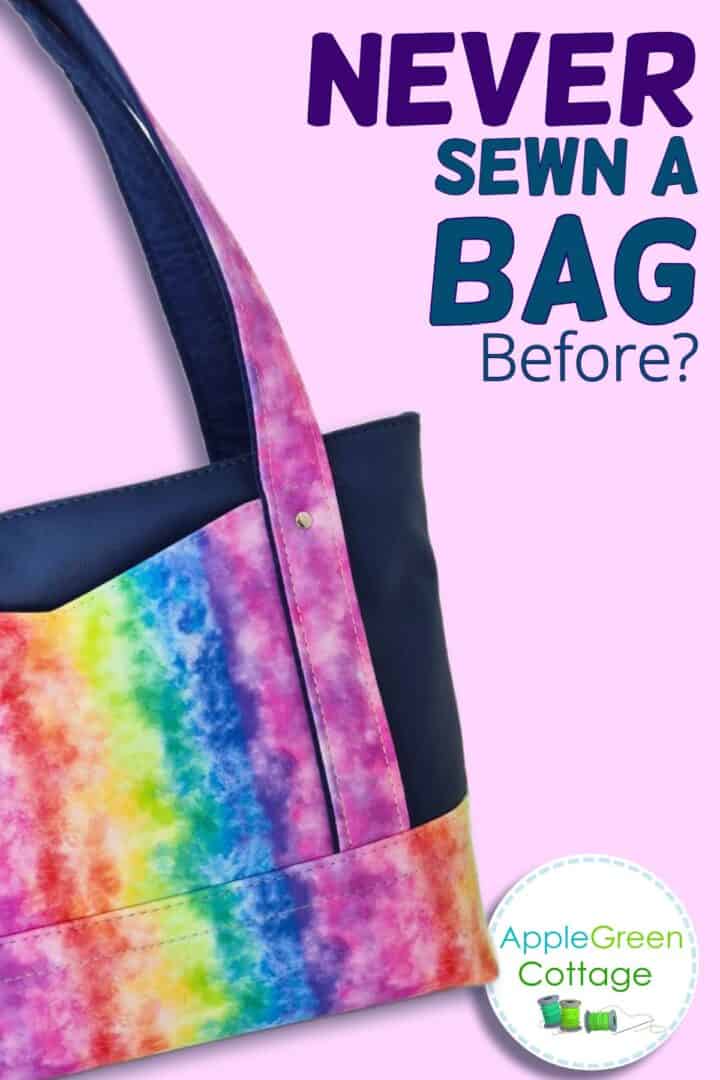
Already know how to sew, but never made a bag before? You are in the right place.
Bagmaking feels different at first because there are a few new parts - structure, lining, pockets, straps, and sometimes zippers or hardware.
But your first bag does not need to be complicated. Start with a simple, useful tote, clear steps, and a pattern that shows you exactly what to do. First, grab one of my free tote patterns - and let's start!
Table Of Contents
- Why sewing bags is different
- 1 - The first thing to know: bags need structure
- 2 - Pockets, Straps, Lining - and sequence
- 3 - Start With A Tote You'll Actually Use
- What To Look For In A Beginner Bag Pattern?
- New to bagmaking?
- Sew this EASY Bag!
- + FREE Market Tote Pattern
- FAQ: Bagmaking For Beginners
- Ready For Your Next Bag?
Want an easy first bag to sew? My free Market Tote pattern is a great place to start - simple shape, useful size, and no complicated hardware.
You may already know how to cut fabric, sew straight seams, press, topstitch, and follow a pattern. But bags add a few new things: structure, thicker layers, pockets, straps, lining, and sometimes zippers or hardware.
Looking for an upgrade? ↓
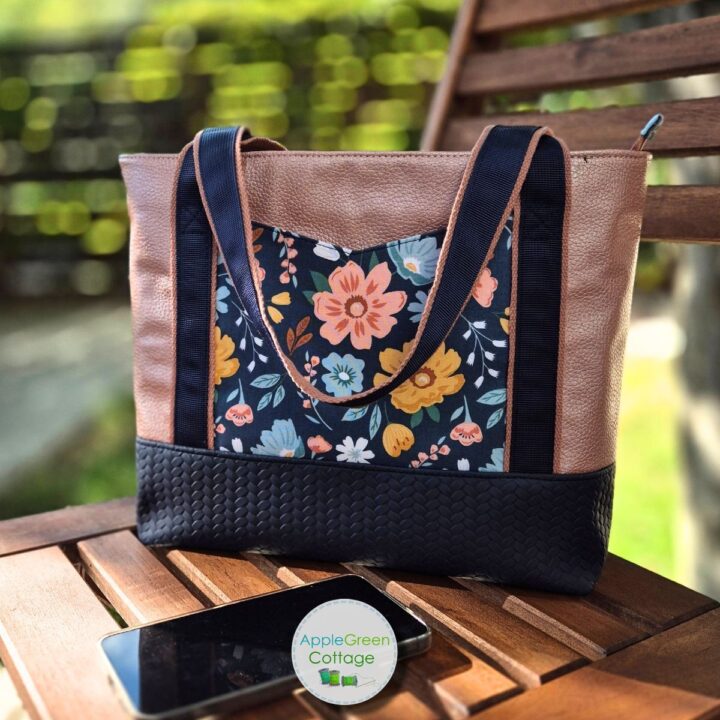
Sew Your New Favorite
Why sewing bags is different
Sewing a bag is not necessarily harder than, say, sewing clothes or home items like table runners - but the order of construction is different.
You might wonder:
- Why does the lining look upside down?
- What keeps the bag from feeling floppy?
- Best way to do straps?
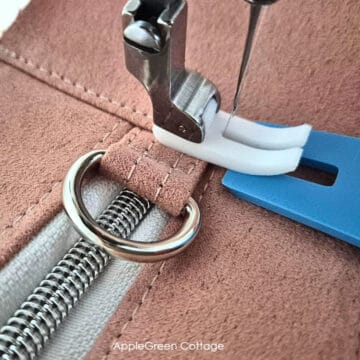
- Will my machine handle the thicker layers? (and how to avoid bulk)
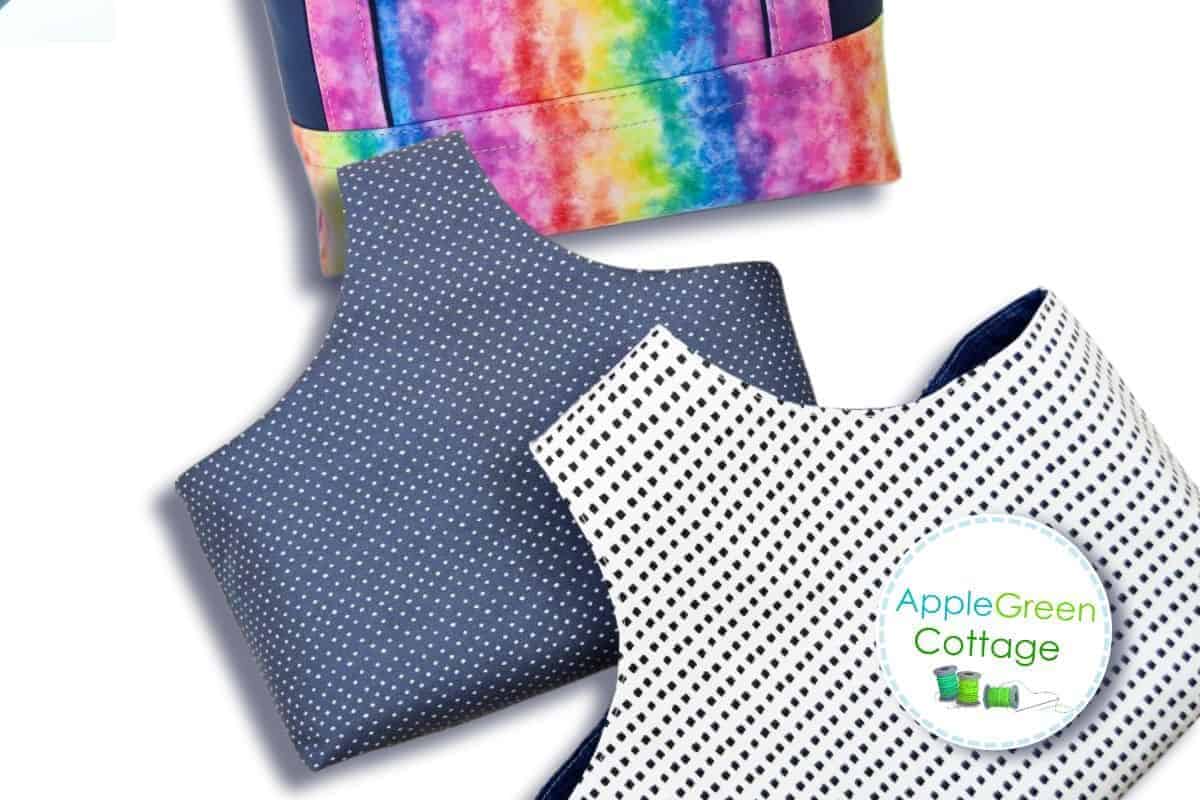
Those are normal beginner bagmaking questions. A good beginner bag pattern should not assume you already know the answers. It should show you the order, the details, and the small steps that make the finished bag look neat.
1 - The first thing to know: bags need structure
Bags need structure so they don't turn out floppy - but too much structure can make seams bulky and harder to sew.
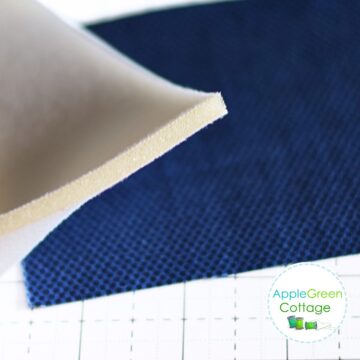
For your first bag, don't guess your way through interfacing, fleece, foam, or firm bottoms. Start with clear material guidance.
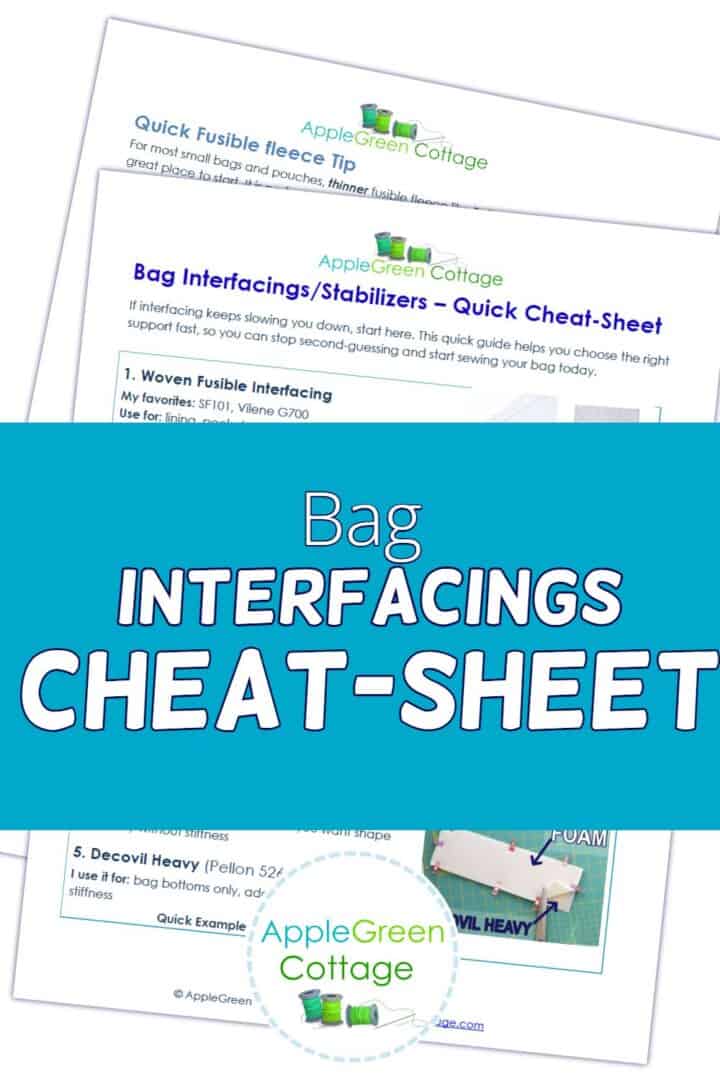
Need quick version?
Get my Quick-Start Bag Interfacing CHEAT-SHEET to help you choose the right interfacing for your first few bags:
2 - Pockets, Straps, Lining - and sequence
Clothes often have curves and fitting. Bag pieces are usually simpler shapes - but there can be more parts to keep track of.
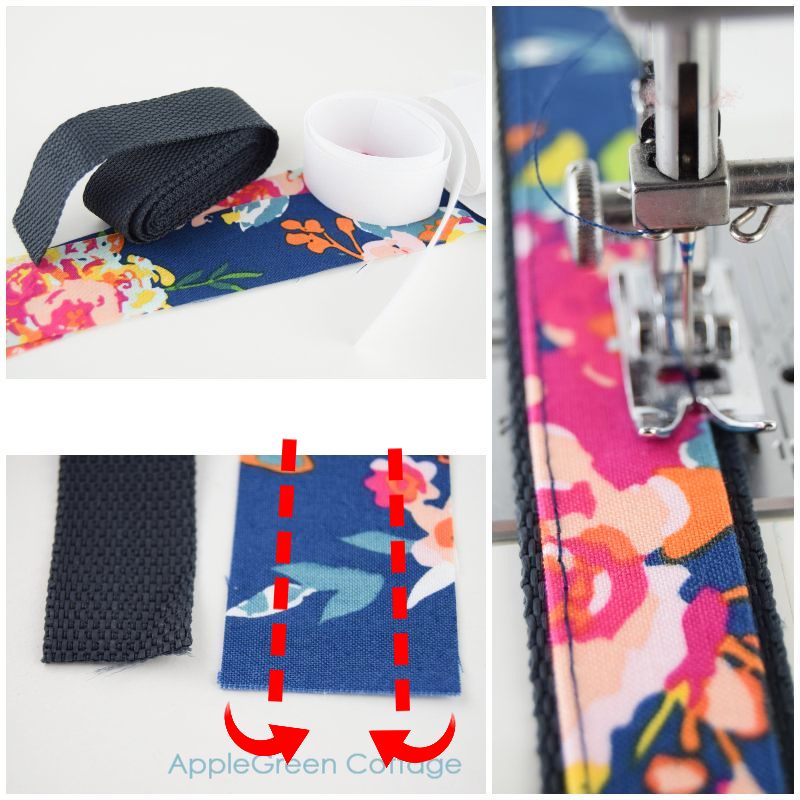
A bag might include many pieces: exteriors, lining pieces, pockets, straps, interfacing, zipper tabs, and a firm bottom. It can be a lot to take in when starting out, but I promise, it's way easier than it feels now. I've created tons of bagmaking tutorials you'll find here at AppleGreen Cottage.
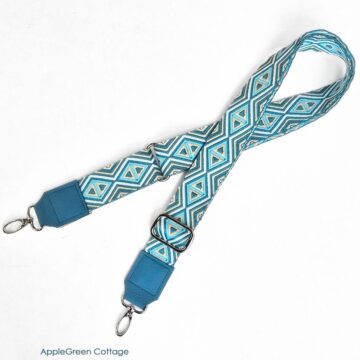
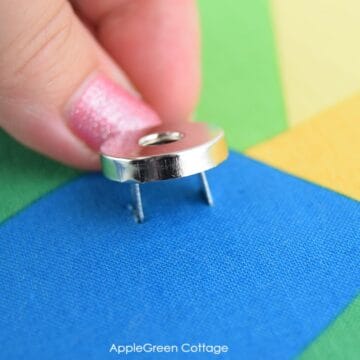
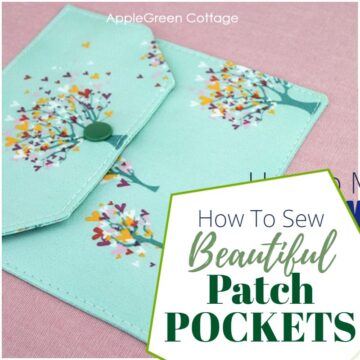
A good bag pattern shows you when to add pocket, how to make bag straps for best results, and add all the bagmaking tips you need to make bags.
3 - Start With A Tote You'll Actually Use
A tote is a great first bag because the shape is simple, practical, and easy to carry for real life - library books, errands, fabric shopping, sewing projects, or groceries.
Want to try one first? Here's where to start if you've never sewn a bag:
Many readers have told me they were surprised by how polished this market tote pattern - even as an early bagmaking project.
That is exactly why I love it as a first bag. It is useful, beginner-friendly, and free - so you can try bagmaking without overthinking it.
What To Look For In A Beginner Bag Pattern?
A beginner-friendly bag pattern should be clear, but not bare-bones.
Look for simple construction, step-by-step photos, manageable layers, useful pockets, and clear notes about interfacing. A good first bag should teach you the basics - handles, lining, pockets, structure, and neat topstitching - without adding too much hardware or too many tricky parts at once.
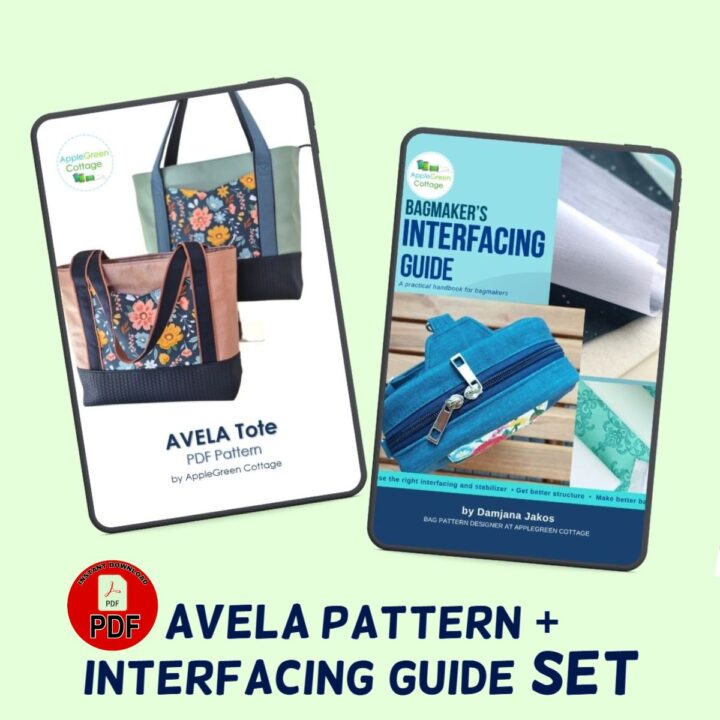
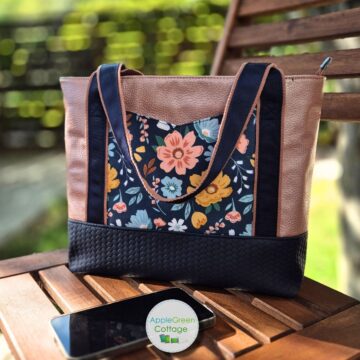
You don't need the plainest bag pattern. You can use my popular AVELA Tote pattern - it's not the first beginner bag, but yes, I've written it so even a beginner can manage it. What you DO need in your first bag pattern is all the exact steps in detail, what to do next. Don't want to start with a tote? Try this shoulder bag ↓
New to bagmaking?
Start with the Lumera - a beautiful, beginner-friendly bag. I designed LUMERA to prove that a polished bag doesn't need complicated construction.
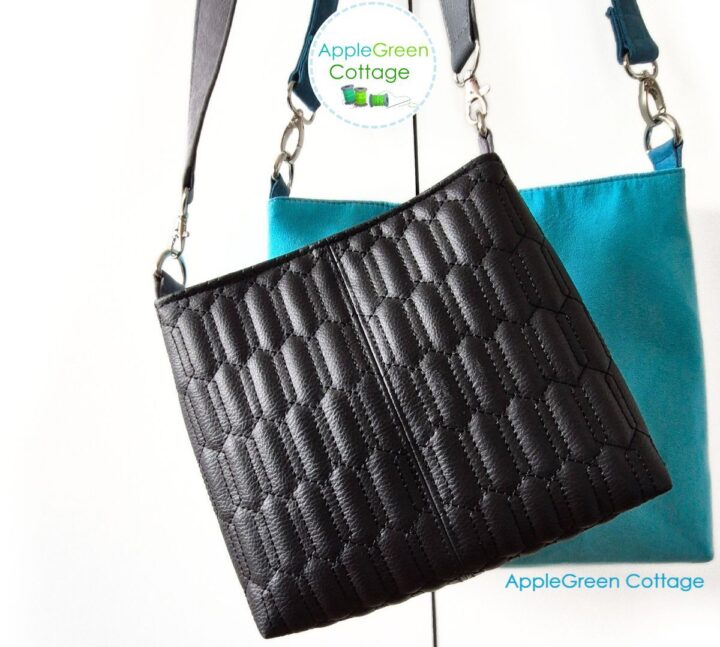
Sew this EASY Bag!
Like with the market tote, this pattern will help you make your first bag: skip patterns with lots of zippers, heavy binding, thick foam everywhere, or instructions that assume you already know bagmaking terms.
Clear steps matter more than extra features.
Also, if you are new to bagmaking, start with a bag that is practical. One you can use for errands, books, sewing projects, fabric shopping, or groceries - and it helps you get comfortable with the basics of bag sewing.
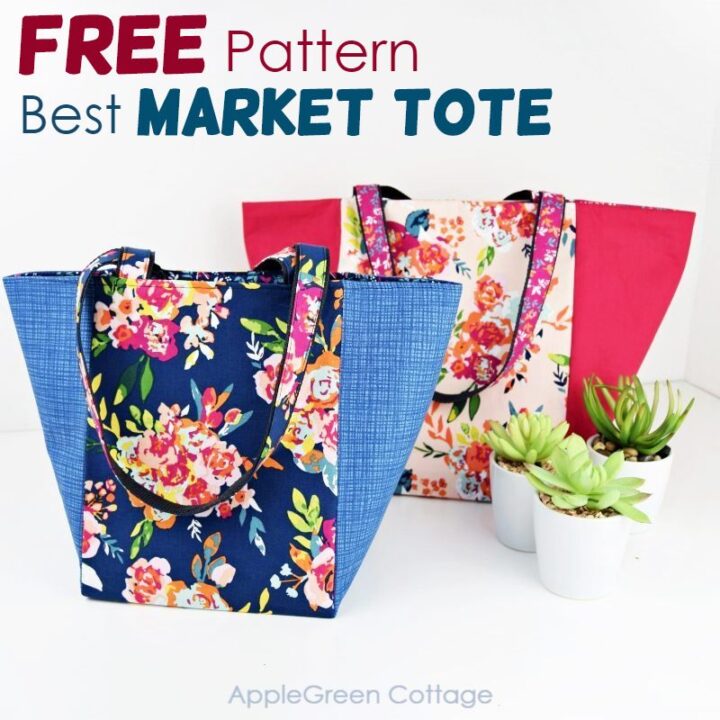
+ FREE Market Tote Pattern
You already know how to sew. Now choose a pattern that teaches you the bag part.
FAQ: Bagmaking For Beginners
Not if the pattern guides you well. Neat topstitching, good pressing, the right interfacing, and simple construction can make a beginner bag look beautifully finished.
Start with a free Applegreen Cottage Tote pattern. It has a beautiful shape, no boxing corners, it is useful right away, and it teaches important bagmaking basics without needing hardware.
Yes. Bagmaking has a different order than clothes or simple home projects. Pockets, straps, lining, and structure often need to be added before the bag is fully assembled. A clear pattern shows you when each part happens.
That usually means the fabric or interfacing was too soft for the style of bag. A good beginner bag pattern should tell you what to use so the finished bag has the right amount of structure.
Ready For Your Next Bag?
Once you've made your first tote, you may want a more polished bag pattern with pockets, lining, structure, and clear step-by-step photos.
That is where my beginner-friendly bag patterns come in.
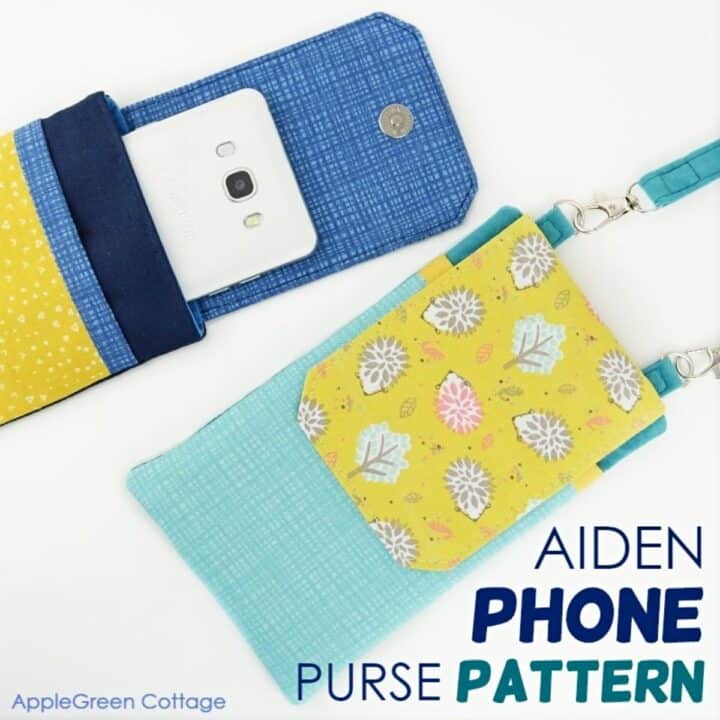
AIDEN Phone Bag
With this pouch, you'll never lose your phone again!
Sew This Handy Storage Tote!
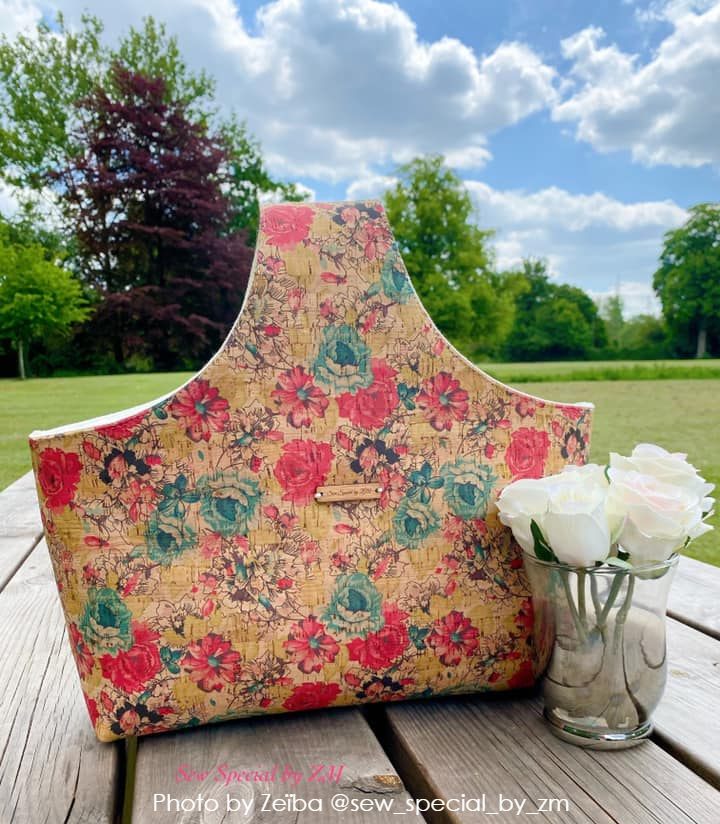
Check out this pretty ALLina project tote pattern in our shop - for all your storage needs!
Leave a Reply