

Not sure whether to use Decovil Light or Decovil Heavy in your bag project? You're not alone. They sound similar, but they do very different jobs in bagmaking.
I'll show you the difference between Decovil Light vs Decovil Heavy, what each one is best for, and which one makes the most sense for beginner bagmakers. If you want better bag structure without making your project bulky or frustrating to sew, this will help a lot.
Need a quick start into bagmaking? →Get my Interfacing CHEAT-SHEET.
New to bag interfacings? →Get my Quick-Start CHEAT-SHEET- a simple 2-page PDF to help you choose the right interfacing for your first few bags:
Table Of Contents
- Why the Difference Matters
- What is Decovil Light
- What Decovil Light is best for
- Bags where I use Decovil Light
- What is Decovil Heavy?
- What Decovil Heavy is best for
- Where I use Decovil Heavy
- Decovil Light vs Decovil Heavy -CHART
- Where to buy Decovil
- Decovil Alternatives
- Your Questions Answered
- Conclusion
- Want to skip the interfacing overwhelm?
Why the Difference Matters
Decovil is a firm fusible stabilizer that gives bags shape, body, and a more polished feel. It comes in two versions - Decovil Light and Decovil Heavy - and while both are excellent for bagmaking, they are not interchangeable. If you use the heavier one where the lighter one would do, the bag can get bulky, harder to turn, and much less enjoyable to sew.
Let's make this easy - and see which of the two might be my favorite ever bag stabilizer. But first, what is what:
What is Decovil Light
Decovil Light is one of my favorite stabilizers for structured bags. In the United States, Decovil Light is sold as Pellon 525.
It has a firm, slightly leather-like feel and can turn beautiful quilting cotton or designer cotton into a much more stable bagmaking fabric. It gives shape and polish without making the whole bag hard.
If you want a structured handmade bag that still feels flexible enough to sew and use, Decovil Light is often a great choice.
What Decovil Light is best for
Decovil Light is one of my favorite stabilizers when I want a bag to feel more polished and hold its shape better. It adds structure, body, and a cleaner, more elevated feel. Decovil Light gives shape without making the whole bag hard. That is why I like it so much.
But it still has some flexibility, which makes it much easier to use in real bag projects. I like it for:
- bag exterior pieces
- flaps
- front and back panels
- structured medium and larger bags
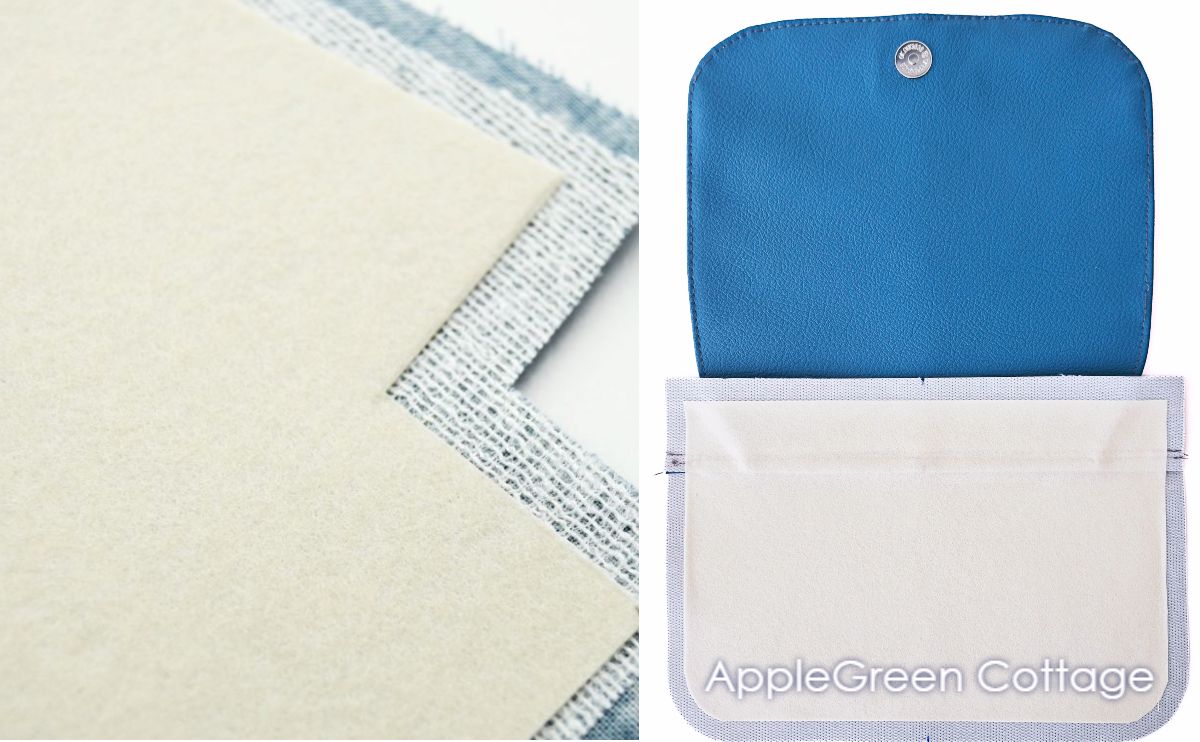
It is firmer than fusible fleece, but still very manageable on a domestic machine as long as you are not stacking too many thick layers together.
Good-to-know: In the US, Decovil Light is sold as Pellon 525.
Bags where I use Decovil Light
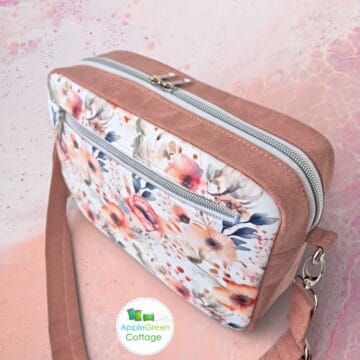
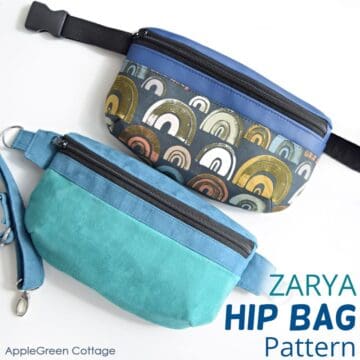
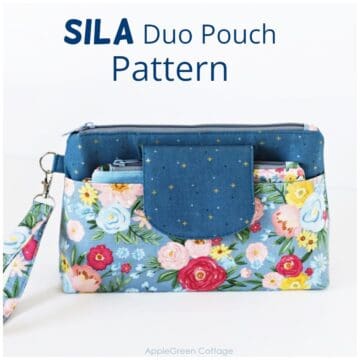
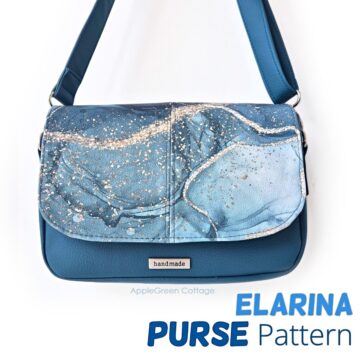
You'll see it in projects like Zarya Hip Bag pattern, Ceety boxy bag, Metroloop Sling bag pattern:
Want to go deeper?
What is Decovil Heavy?
Decovil Heavy, also called Decovil I or Pellon 526 in the US, is a very firm fusible stabilizer. It is much thicker and stiffer than Decovil Light and is best for bag bottoms or very firm areas.
What Decovil Heavy is best for
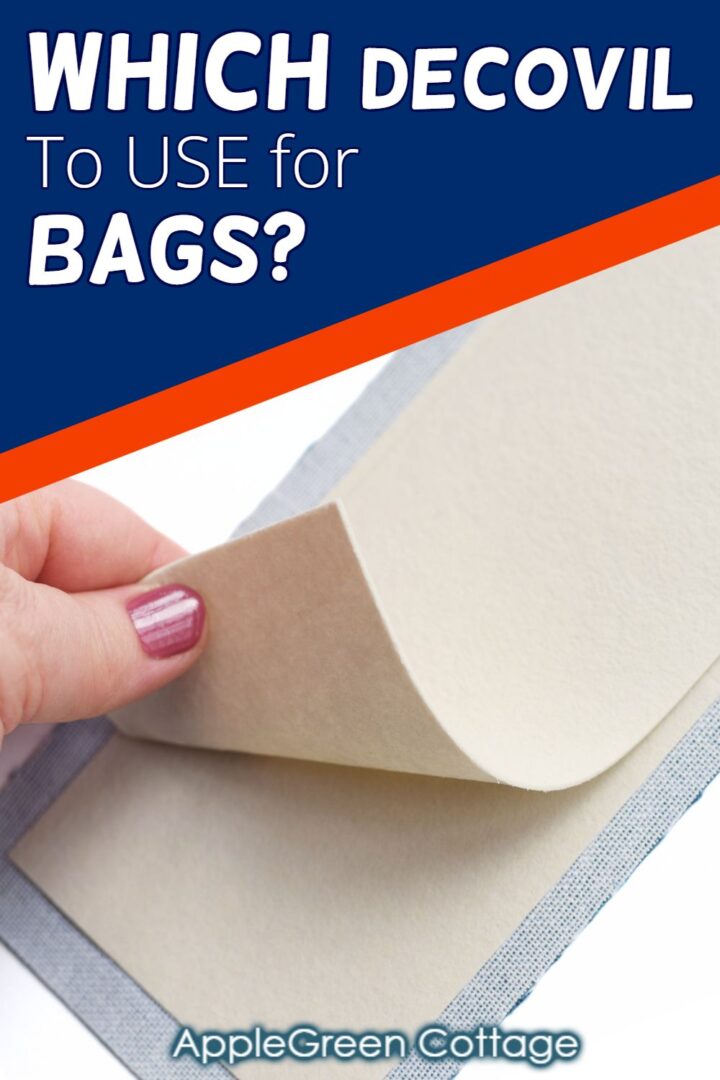
Decovil Heavy is much stiffer. Really, really stiffer. If Decovil Light feels like a nicely stable but still flexible leather layer, Decovil Heavy feels more like heavy cardstock. It adds a lot of firmness very quickly.
That's why I treat it as a special-purpose stabilizer, not an everyday one.
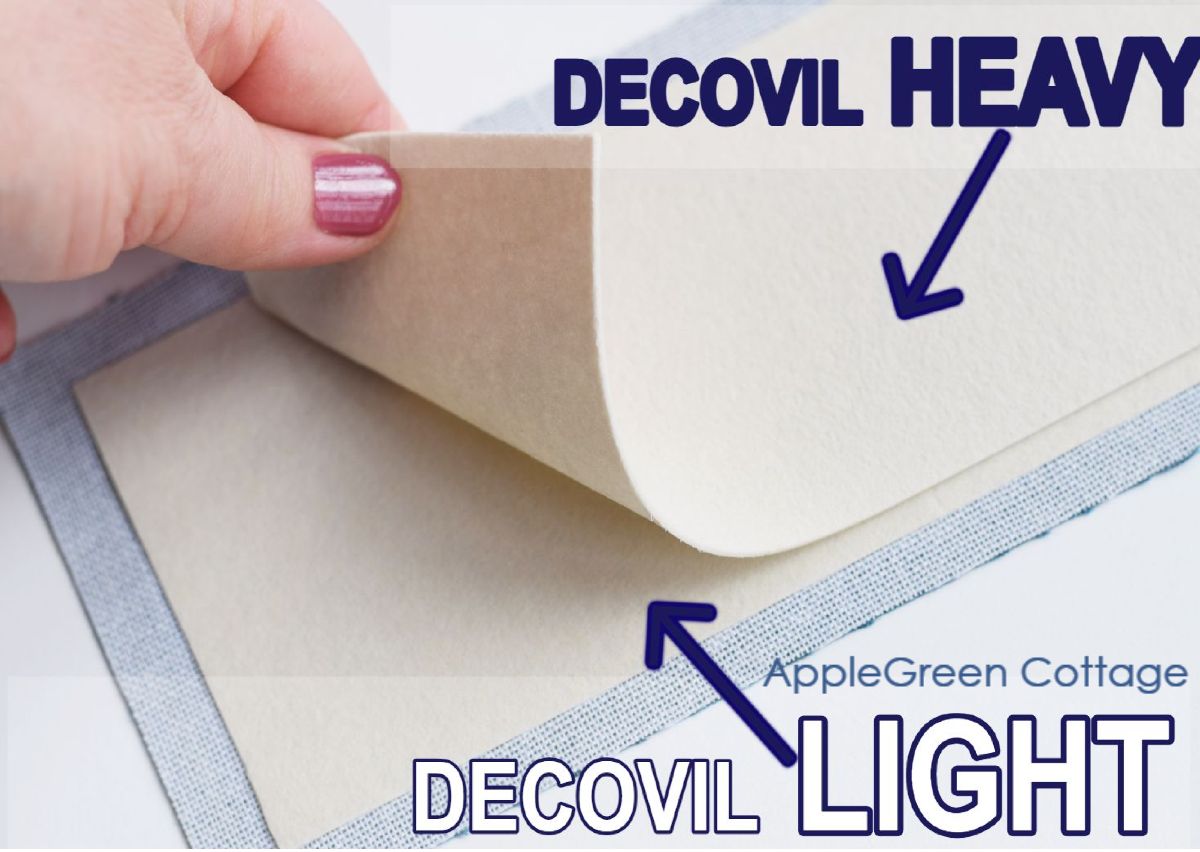
I do not use it all over a beginner bag, and I do not treat it like a stronger version of Decovil Light. It is a different tool for a different job.
Where I use Decovil Heavy
I use it for bag bottoms, base inserts, basically in areas that need strong stiffness, not general structure. That's it. If you want to see how I mix Decovil Light and Heavy, I used both on my Sirina Bag pattern:
Ample space, pockets inside and outside, two closure options, and a beautiful feature front pocket - for your favorite fabric print!
Decovil Light vs Decovil Heavy -CHART
Here's the simplest comparison:
| Decovil Light (Pellon 525) | Decovil Heavy (Pellon 526) |
|---|---|
| for structure | for stiffness |
| flexible enough for bags | much more rigid |
| good for exterior pieces and flaps | best for bag bottoms |
| easier to sew | more demanding (bulky, plus tough to turn!) |
| beginner-friendlier | use later, in specific spots |
If you want a structured bag, Decovil Light is very often the better choice. It gives the bag shape and stability without making the whole project harder to sew than it needs to be.
Sew this Crossbody Bag!
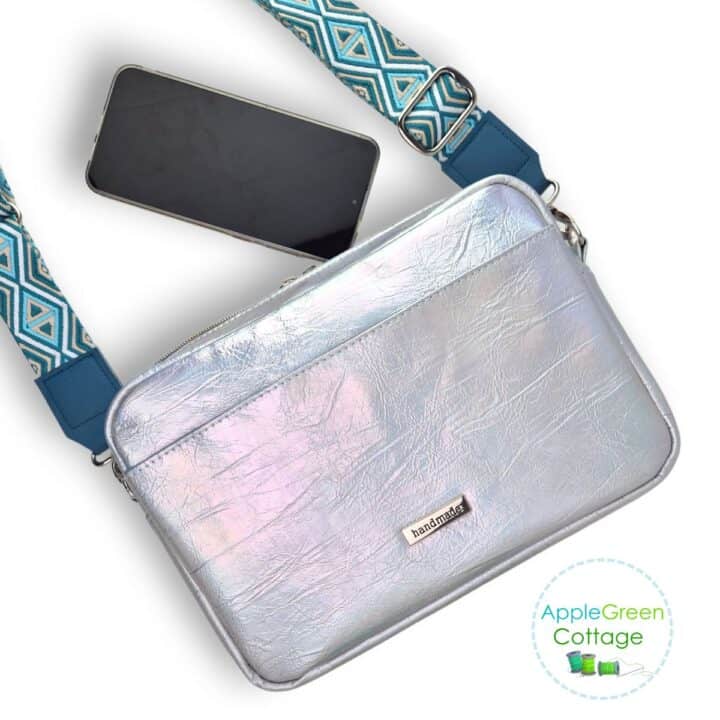
My Ceety bag pattern, for example, utilizes Decovil Light's stability with binding seams - these two make a perfect team in boxed bags! (Absolutely no need for Decovil heavy here.)
Where to buy Decovil
The quickest way? On Amazon, here.
Must-know: In the US, Decovil Heavy is sold as Pellon 526, and Decovil Light is sold as Pellon 525.
Decovil Alternatives
What can I use instead of Decovil Light?
There are also other products bagmakers use in a similar way, including EB Fuse Heavy by Emmaline Bags, but they are not all exactly the same. If you are substituting, always test first and check the finished feel. I have heard great things about EB Fuse Heavy from fellow bagmakers I trust, but I haven't given it a try yet.
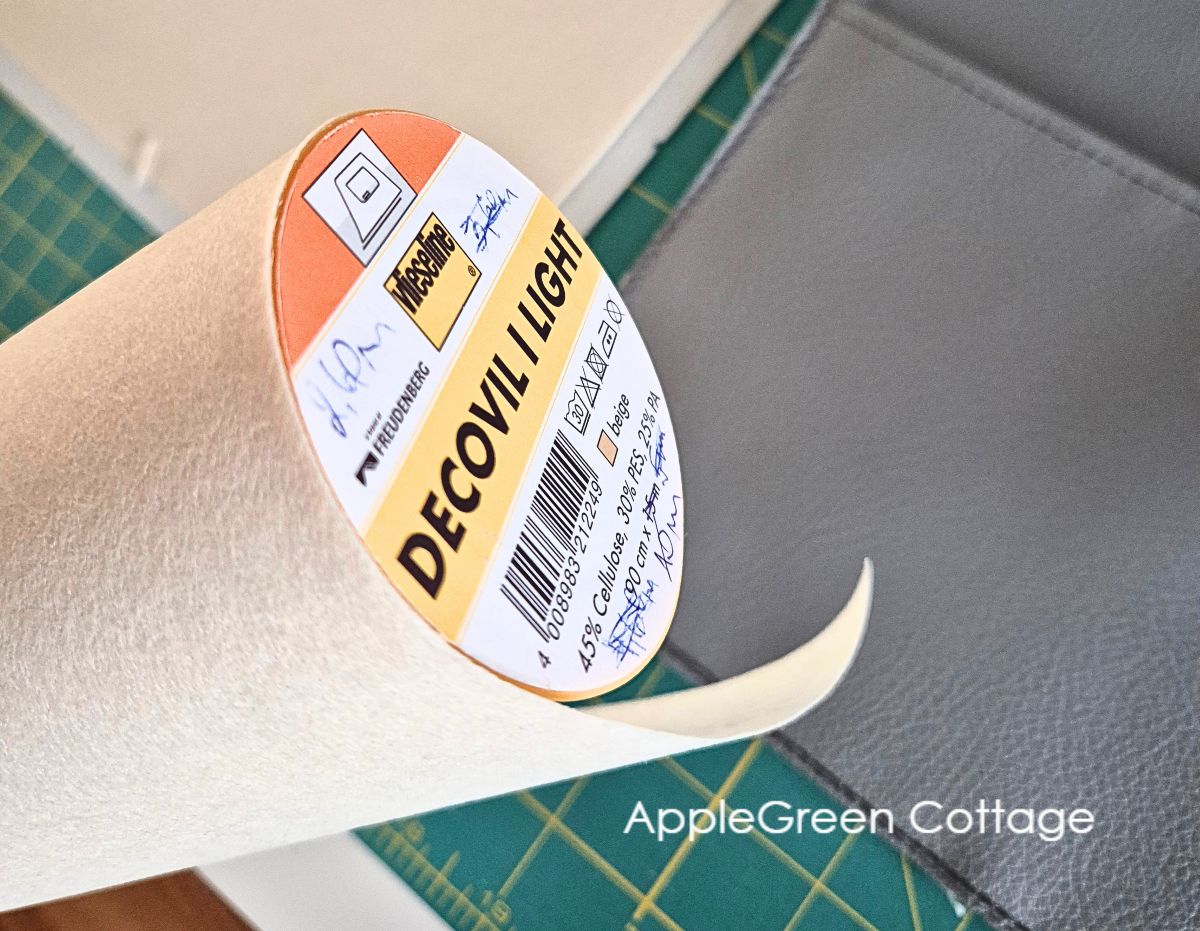
What to use instead of Decovil Heavy? The Decovil Heavy alternative is simple: Pellon 71F Peltex I Ultra-Firm 1-sided fusible. It does have a different structure, but it's stiff, too!
Your Questions Answered
Decovil Light is for structure. Decovil Heavy is for serious stiffness - and in my bag patterns, I only use it for bag bottoms, and only sometimes. But before you start makign your next bag, read the tips above - they can save you a lot of frustration.
If you are newer to bagmaking, start with Decovil Light. Leave the Heavy for later. But, if you're completely new to bagmaking and this is your first bag? Decovil Light might be my favorite ever bag stabilizer, but in this case I'll say that you should just grab a piece of fusible fleece and some SF101 and make an Aiden cell phone bag pattern, or a small crossblody bag pattern like my Nea bag, and see how your first bag comes together. Really. After that only, move on to Decovil.
Decovil Light is a firm fusible stabilizer used in bagmaking when you want more structure, shape, and a more polished feel. It gives a bag body without making it overly stiff.
Yes, that is where I like it best. It's super stiff, so don't use it for the entire bag unless you're a seasoned bagmaker with an industrial sewing machine.
Decovil Heavy is a much stiffer version of Decovil. I treat it as a special-purpose stabilizer and use it mainly for bag bottoms or other areas that need serious firmness.
Decovil Light is for structure. Decovil Heavy is for stiffness. Light still has some flexibility, while Heavy is much more rigid and best used in very specific spots.
Most of the time, Decovil Light is the better choice for bags. It gives shape and stability without making the project harder to sew than it needs to be.
Usually, no. They are not interchangeable. If you use Decovil Heavy where Decovil Light would do, the bag can get too stiff, bulky, and harder to sew.
Not better - just different. Fusible fleece is softer and more beginner-friendly. Decovil gives more structure and a firmer finish.
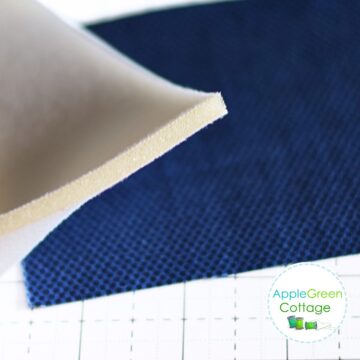
Again, not better - just different. Foam adds shape and body with more softness, while Decovil gives a crisper, firmer structure.
Foam and Decovil Light give very different results. See my full post on Foam Stabilizers for bags and how to use it.
It can, especially if the project is turned roughly or heavily handled during sewing. Decovil Light usually behaves better than some other firm fusibles, though. (I especially prefer it over the Pellon Craft Fuse and Decor Bond!)
Conclusion
Both Decovil Light and Decovil Heavy are useful - but they are definitely not for the same job.
If you want a bag to feel nicely shaped, more polished, and easier to sew, Decovil Light is usually the better choice. If you need one area - especially the bottom - to stay extra firm, that's when Decovil Heavy comes in.
That's my take, anyway - and of course, you'll find your own favorites as you sew more bags.
Want to skip the interfacing overwhelm?
Get my Quick-Start CHEAT-SHEET- a simple 2-page PDF to help you choose the right interfacing for your first few bags:

Leave a Reply